🛕 Raghunath Temple Kullu: The Sacred Soul of Himachal Pradesh
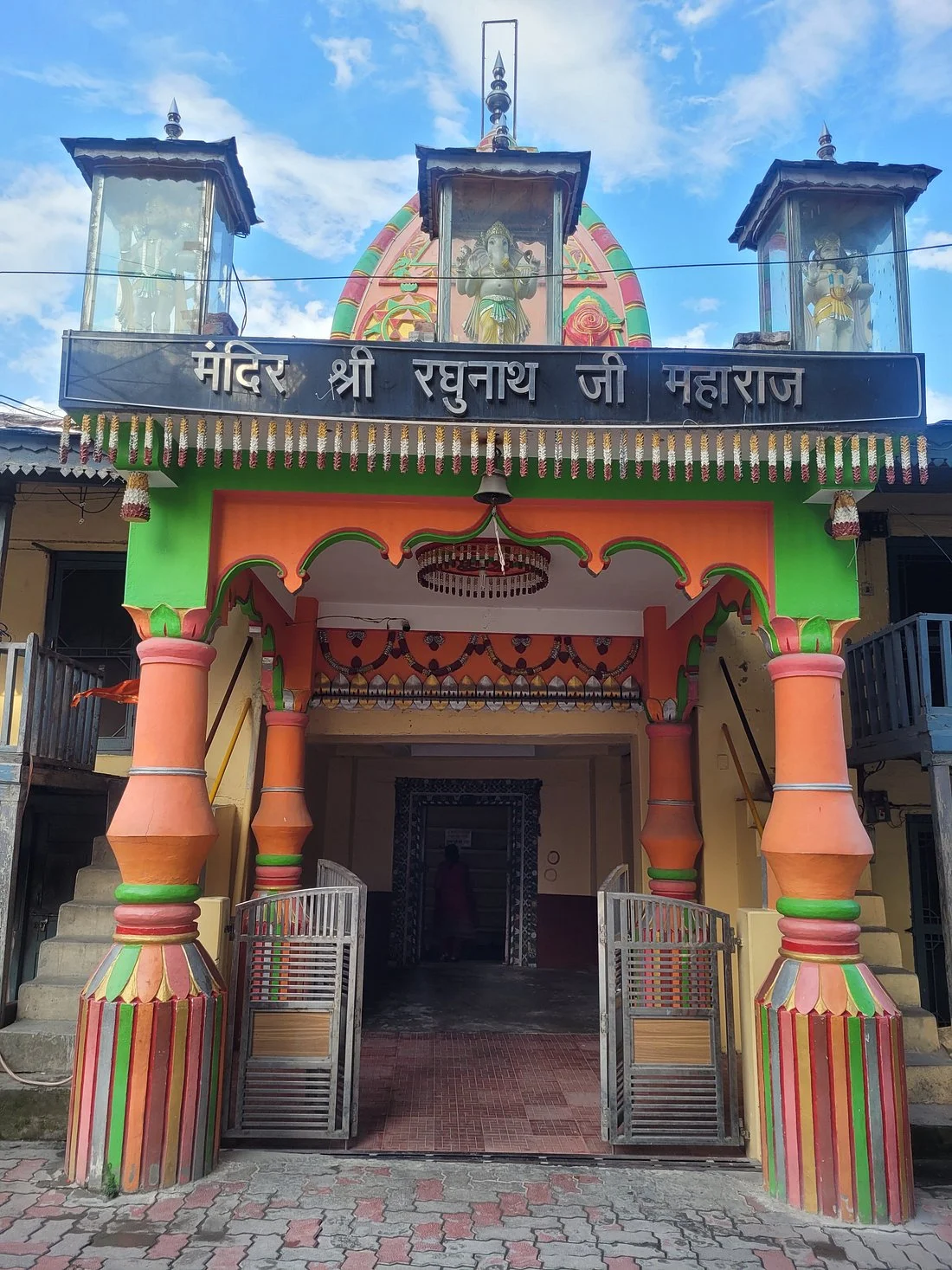
Welcome to the “Valley of Gods,” where spirituality whispers through the towering deodar trees and the gushing waters of the Beas River echo ancient hymns. Tucked away in the breathtaking hills of Himachal Pradesh lies the spiritual anchor of the entire Kullu Valley—the revered Raghunath Temple. Dedicated to Lord Rama (locally worshipped as Lord Raghunath), this sacred temple is not just a place of worship; it is the cultural and historical epicentre of the region. Whether you are a devout pilgrim, a history enthusiast, or a curious traveler seeking inner peace, the divine aura of Raghunathji is bound to leave you spellbound. 🏞️✨
📜 History & Location: The Legend of Royal Redemption
The story of the Raghunath Temple is one of the most fascinating legends of the Himalayas, dating back to the 17th century. The temple is situated in the Sultanpur area of Kullu district, Himachal Pradesh. It sits peacefully at an altitude of approximately 1,220 meters (4,000 feet) above sea level, surrounded by majestic mountain backdrops. 🏔️
The Legend of Raja Jagat Singh: In the 1650s, the ruler of Kullu, Raja Jagat Singh, committed a terrible mistake. He heard that a local peasant named Durga possessed beautiful pearls. The King demanded the pearls, but Durga, unable to satisfy the King’s demand, chose to immolate himself along with his family. Haunted by guilt and cursed with a mysterious disease that made his food look like worms and blood, the King sought help from a holy man named Krishna Datt (Fhari Baba).
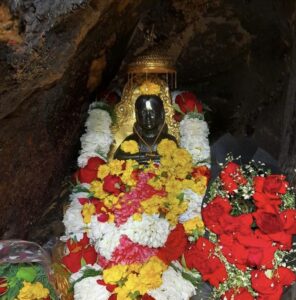
The sage advised the King that his only path to redemption was to install the sacred idol of Lord Raghunath (brought from Ayodhya, the birthplace of Lord Rama) on his throne. A Brahmin named Damodar Das was sent to fetch the idol. After a miraculous journey, the idol was successfully brought to Kullu and installed in the year 1660 AD. Raja Jagat Singh surrendered his kingdom to Lord Raghunath, declaring the deity as the ultimate ruler of the land. To this day, the royal family acts only as the guardians of the deity. 👑🛕
- State: Himachal Pradesh, India
- District: Kullu
- PIN Code: 175101
- Exact Location Link: Click here to view on Google Maps 📍
🚗 How to Reach Raghunath Temple
Reaching the temple is quite easy, as Kullu is a major tourist hub well-connected to Delhi, Chandigarh, and other parts of Himachal Pradesh. Below is a detailed breakdown of the travel options available:
| Mode of Transport | Details & Key Stations |
|---|---|
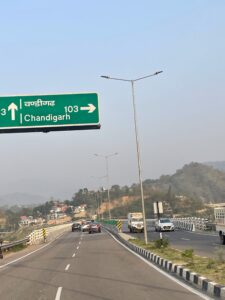
| 🛣️ By Road | Kullu is highly accessible via National Highway 3 (NH 3). Regular luxury, semi-sleeper, and state HRTC buses ply daily from Delhi (approx. 500 km) and Chandigarh (approx. 270 km). You can also hire a private cab from Manali (approx. 40 km) to reach Sultanpur in Kullu. |
| 🚂 By Train | The nearest broad-gauge railway station is Chandigarh Railway Station (CDG), located about 270 km away. Alternatively, the narrow-gauge toy train runs from Pathankot to Joginder Nagar Railway Station, which is about 120 km from Kullu. From either station, you can take a bus or hire a taxi to reach the temple. |
| ✈️ By Air | The closest airport is the Kullu-Manali Airport (Bhuntar Airport), located just about 10 km away from the Raghunath Temple. Regular flights connect Bhuntar to Delhi, though flights are highly dependent on weather conditions. Taxis are easily available outside the airport. |
🍂 Best Time to Visit
While the temple is a serene sanctuary throughout the year, the experience varies significantly with the changing seasons of Himachal Pradesh:
- 🌸 Spring & Summer (March to June): This is the most pleasant time to visit. The weather remains comfortably cool, ranging between 15°C and 25°C. It is the perfect time for sightseeing, wandering the temple courtyard, and exploring the surrounding Kullu valley.
- 🍁 Autumn (September to November): The air gets crisp, and the leaves turn golden. This is also the time when the world-famous Kullu Dussehra festival takes place (usually in October). Visiting during this period allows you to witness the temple at its most vibrant and lively state!
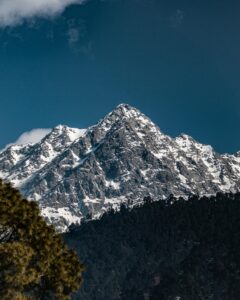
- ❄️ Winter (December to February): If you love chilly mountain weather, winters are beautiful. The temperature can drop to near-freezing points, and you can see snow-capped Himalayan peaks in the distance. The temple remains quiet and peaceful during this off-peak season.
🎯 Things to See and Do
🏛️ Admire the Traditional Himachali Architecture
The Raghunath Temple features a beautiful blend of Pyramidal and classic Pahari (Himalayan) architecture styles. The woodwork, stone carvings, and peaceful courtyard reflect the heritage of ancient artisans. It stands as a silent witness to centuries of royal history and cultural evolution. 🪵
🎉 Experience the Grand Kullu Dussehra
If you plan your trip in October, you can witness one of India’s most unique festivals. Unlike other parts of the country where effigies of Ravana are burnt, Kullu Dussehra is a massive congregation of local deities. The idol of Lord Raghunath is brought down from the temple to the Dhalpur Maidan on a beautifully decorated wooden chariot (Rath). Millions of devotees gather to pull the chariot, making it a spectacular sight! 🪘🥁
🙏 Seek Divine Blessings inside the Garbhagriha
Step inside the main sanctum sanctorum (Garbhagriha) to seek the blessings of Lord Raghunathji. The divine energies of the centuries-old Rama idol, combined with the aroma of incense and the sound of temple bells, create an incredibly peaceful and meditative environment that will rejuvenate your soul. 🧘♂️
📸 Capture Majestic Valley Views
Since the temple is located at a higher elevation in Sultanpur, it offers panoramic views of the Kullu town and the Beas River flowing far below. While photography is restricted inside the inner sanctum, you can take beautiful pictures of the exterior temple courtyard and the dramatic mountain landscapes surrounding it. 🏔️📸
💡 Visitor Tips (Must Read)
- 🧥 Dress Code: Dress modestly and respectfully. Avoid wearing short skirts, sleeveless tops, or highly revealing clothes. It is customary to cover your head in some areas of the temple.
- ⏰ Temple Timings: The temple is generally open for visitors from 6:00 AM to 12:00 PM and then from 4:00 PM to 8:00 PM. Plan your visit accordingly to catch the morning or evening Aarti!
- 👞 Footwear Policy: Like most Hindu temples, you must remove your shoes and leather items (like belts and wallets) before entering the main temple complex. Safe storage space is available near the entrance.
- 💵 Carry Cash: Keep some local currency with you. While entry is free, you might want to purchase offerings (Prasad), make small donations, or shop in the nearby local bazaars where digital payments can sometimes have network issues.
- 🚶♂️ Be Prepared for a Walk: The temple is situated slightly uphill from the main road. Be prepared for a short uphill walk through charming, narrow streets lined with old houses.
📍 Nearby Attractions to Combine
Turn your temple visit into a full-day exploration by adding these wonderful nearby spots to your itinerary:
- ⚡ Bijli Mahadev Temple: A legendary temple dedicated to Lord Shiva, located atop a hill where lightning famously strikes the Shiva Lingam. It offers a spectacular 360-degree view of the Kullu and Parvati valleys.
- 🏰 Naggar Castle: A stunning medieval castle built with wood and stone, offering breathtaking views, a museum, and art galleries about 20 km away.
- 🧖♂️ Manikaran Sahib: Located in the Parvati Valley, this place is famous for its natural hot springs, historical Gurudwara, and Ram temple.
- 🌿 Great Himalayan National Park: A UNESCO World Heritage Site perfect for trekking, bird watching, and experiencing pure, untouched wilderness.
“Visiting the Raghunath Temple is not just about visiting a tourist site; it is about stepping back in time and feeling the spiritual heartbeat of Himachal. The ancient stories, the ringing bells, and the crisp mountain air remind us of the simple yet profound magic of the Himalayas. May your journey to this sacred sanctuary bring you peace, joy, and unforgettable memories!” 🌄✨